Reading
Dracula Audiobook Multi Voice: Why the Format Fits the Book
Multi-voice audio doesn't modernize Dracula - it restores it. Bram Stoker built the novel as a stack of letters, journals, and phonograph recordings.
Reading
Multi-voice audio doesn't modernize Dracula - it restores it. Bram Stoker built the novel as a stack of letters, journals, and phonograph recordings.
Reading
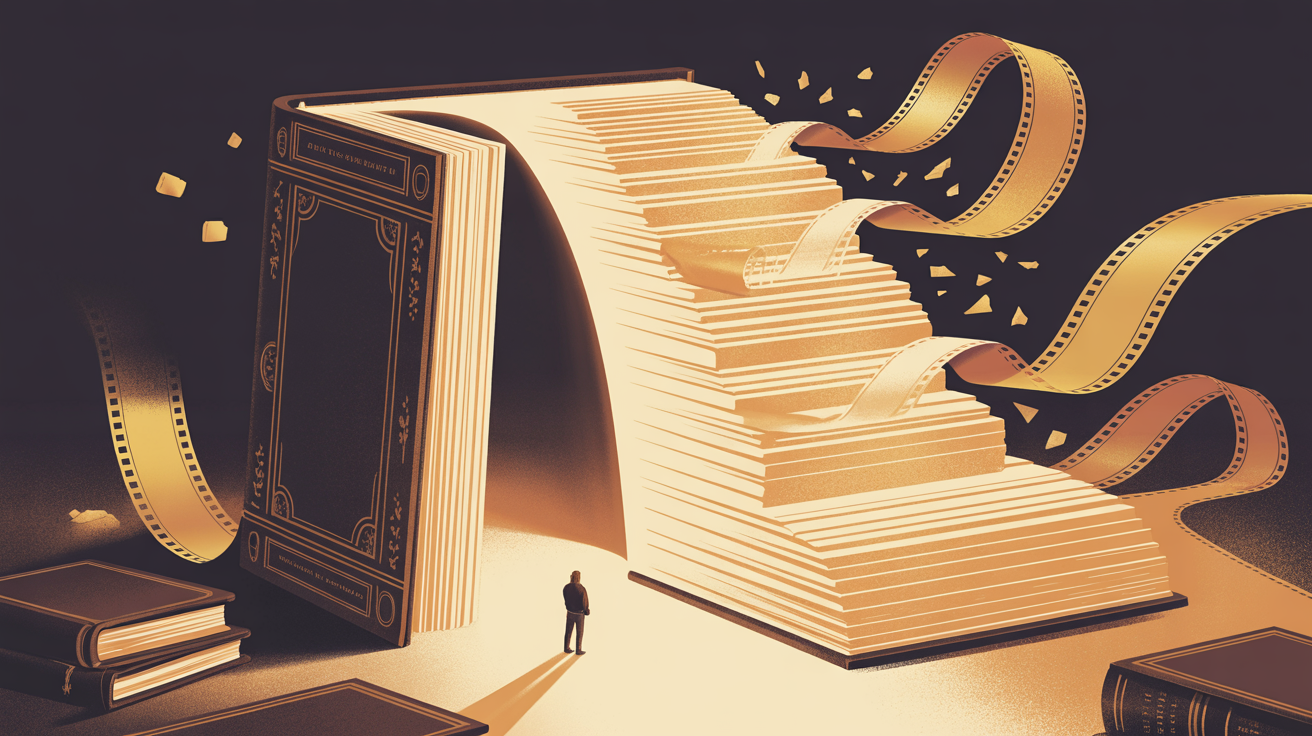
Hollywood's 2026 wave of classic adaptations isn't just nostalgia; it's smart economics. Studios choose backlist classics for their built-in audience.
Reading
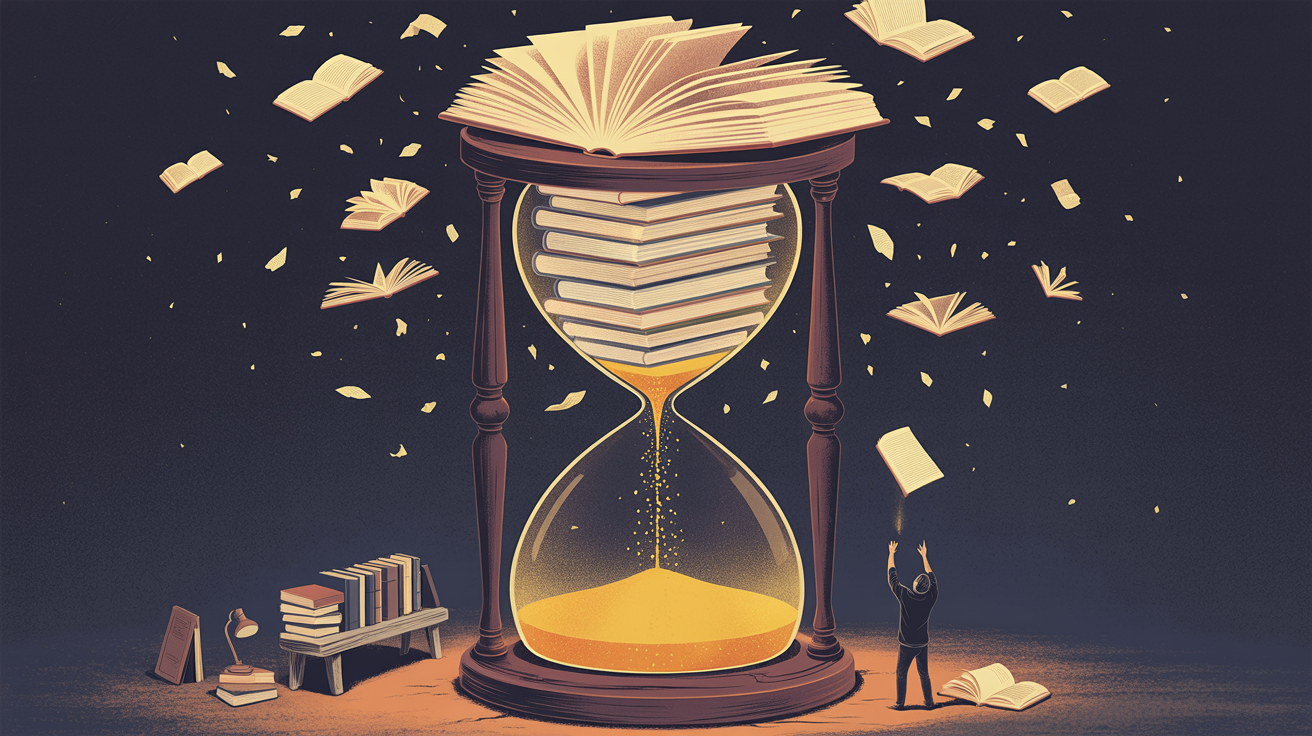
Most "short classic" lists never show the math. At a steady one-page-a-minute pace, a 180-page novel is three hours of reading. That's one long afternoon,
Reading
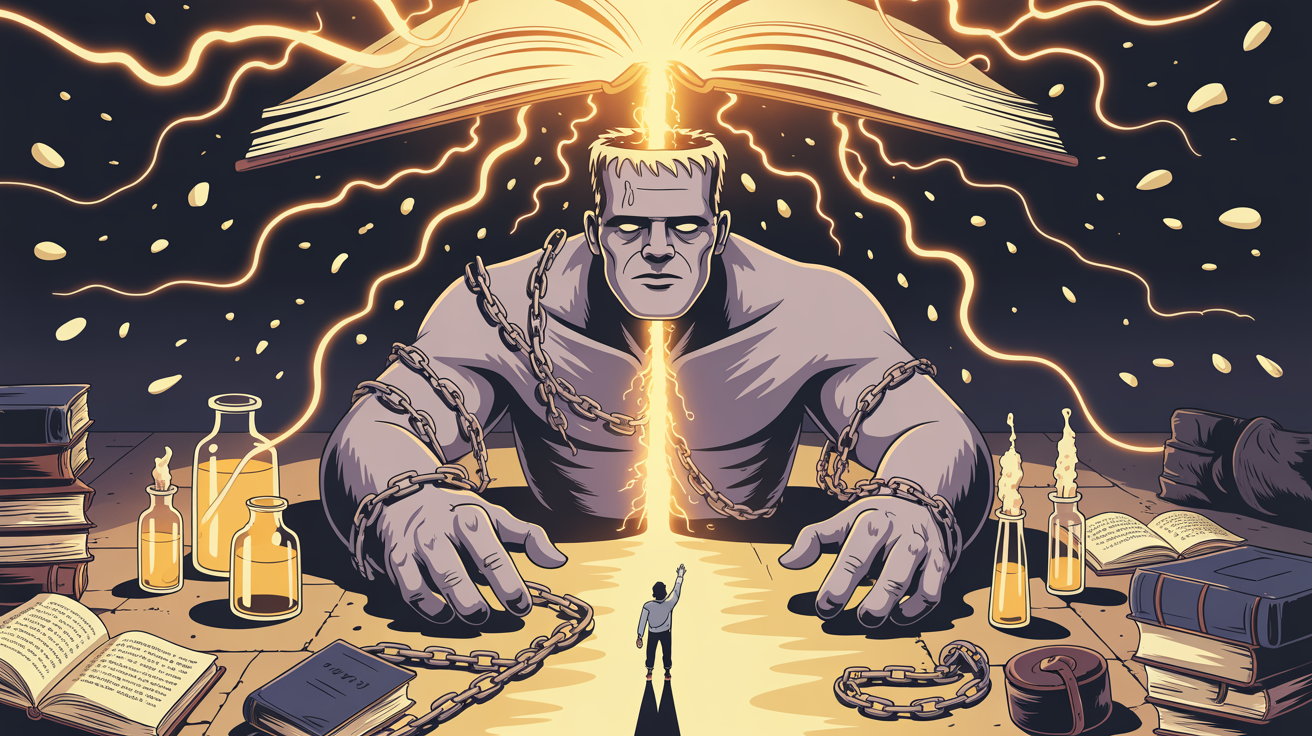
Frankenstein is a strong first classic - not because it's easy, but because its three real hurdles are exactly the skills every classic asks of you. Those
Reading
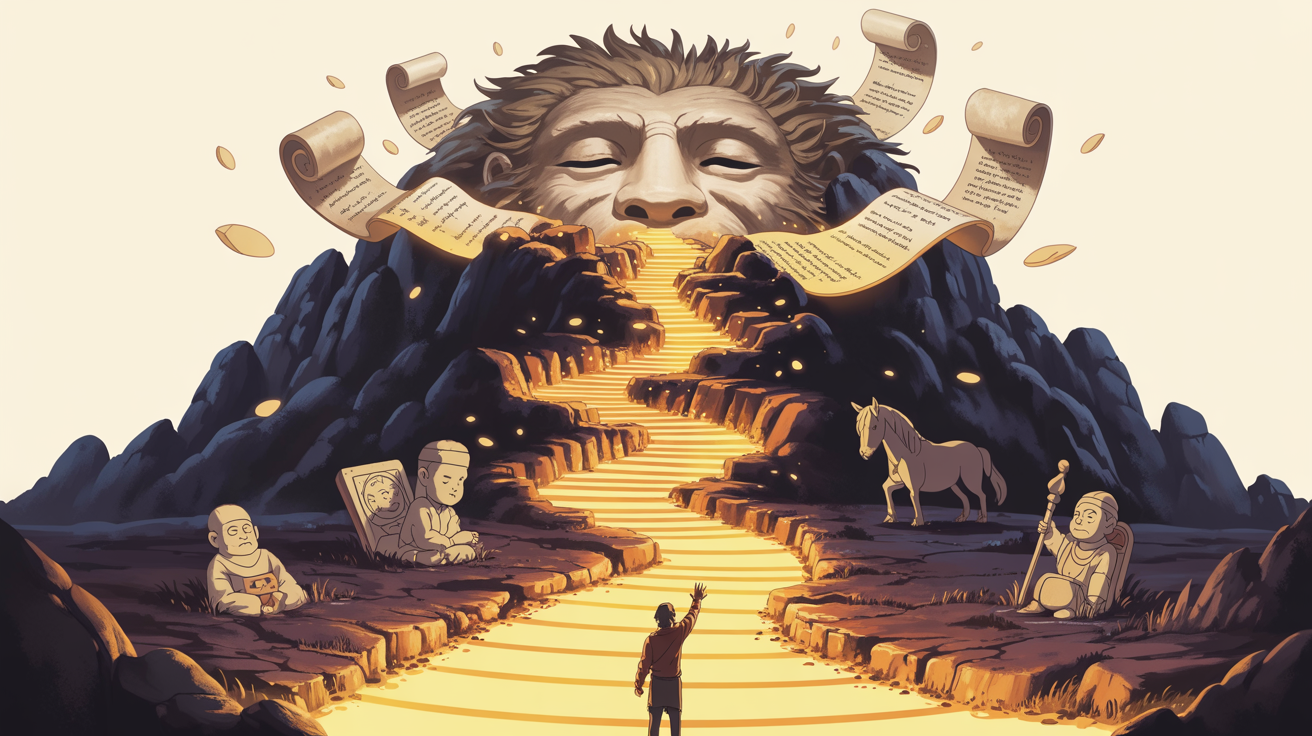
There is no single "best" translation of Journey to the West. There are four main options, each with honest trade-offs, and picking a mismatched one is a
Reading
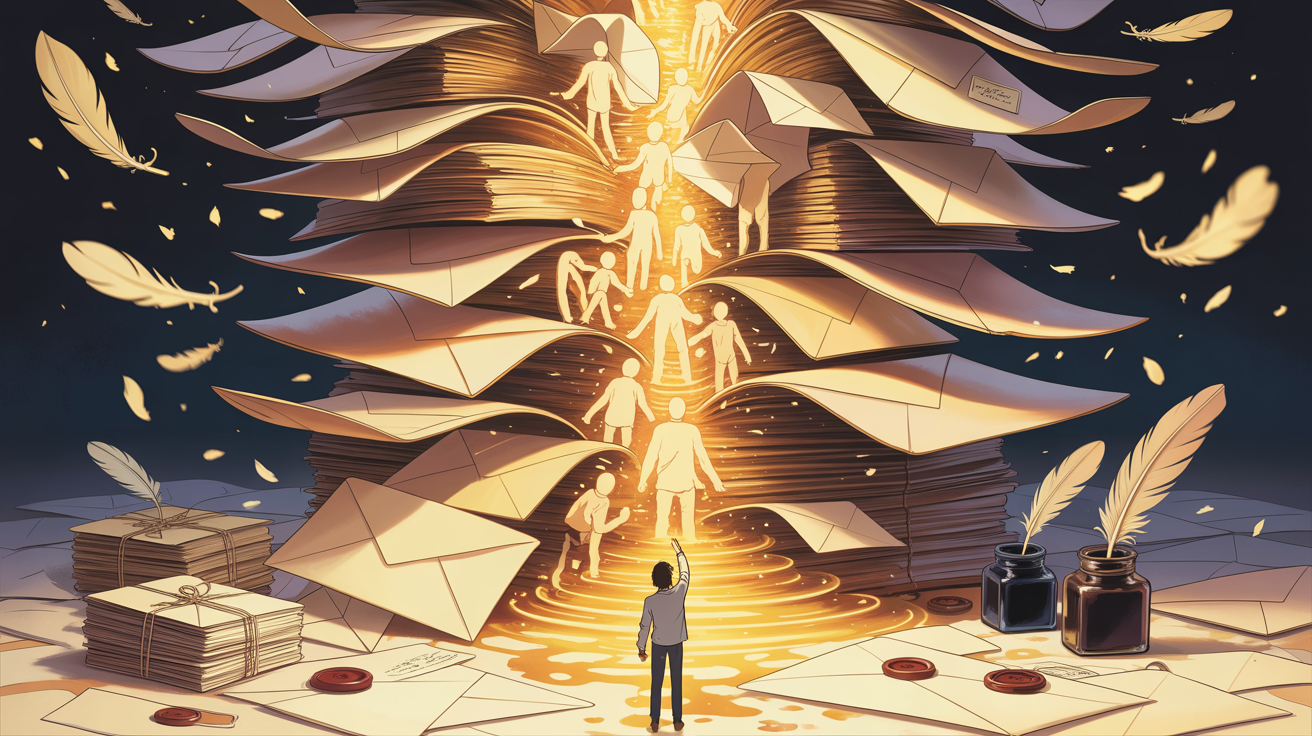
An epistolary novel tells its story through documents a character writes - letters, diaries, clippings, and now emails and, in some analyses, texts and
Reading
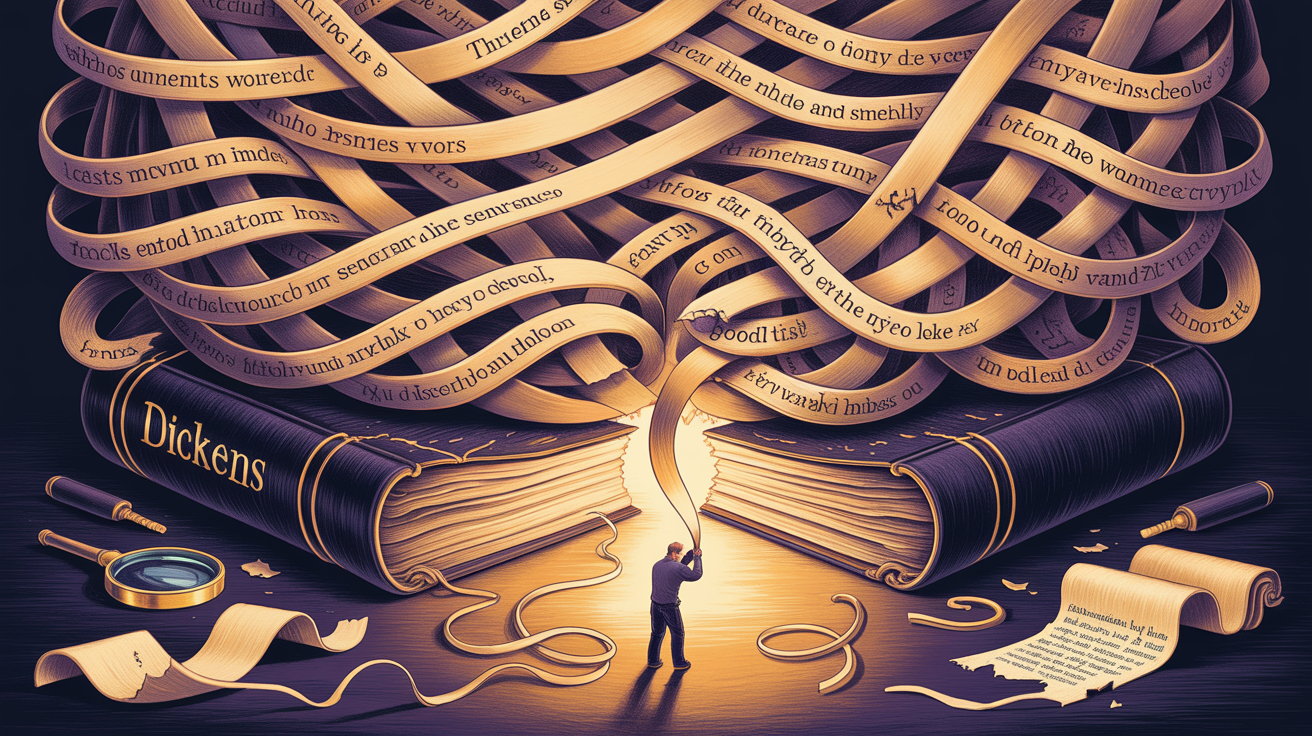
Dickens is challenging because of his sentence structure, not complex vocabulary. He frequently places subordinate clauses before the main verb, delaying
Reading
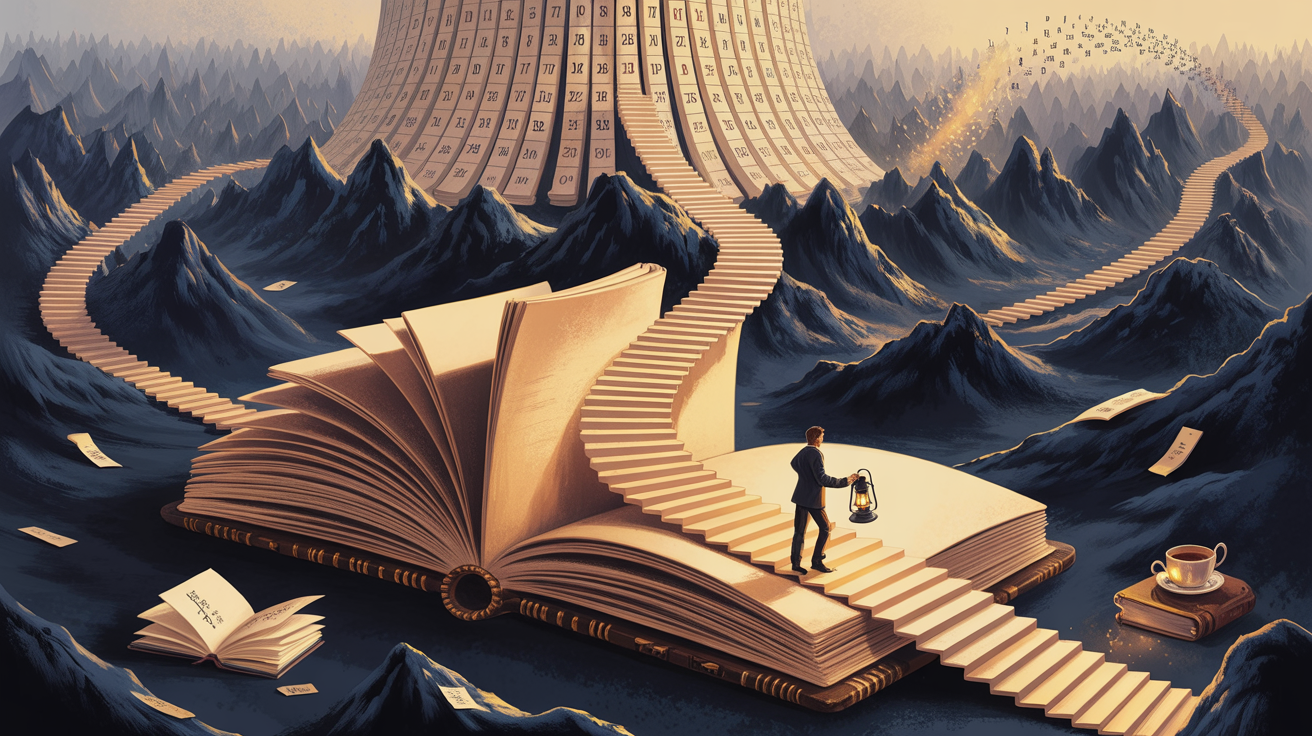
If you keep abandoning War and Peace, the length isn't your problem. Four fixable setup mistakes are: the wrong translation, no character system, grinding
Reading
The guilt of the half-read classic on your shelf isn't evidence you're a bad reader. It's a manufactured "finish what you start" norm doing its job.
Reading
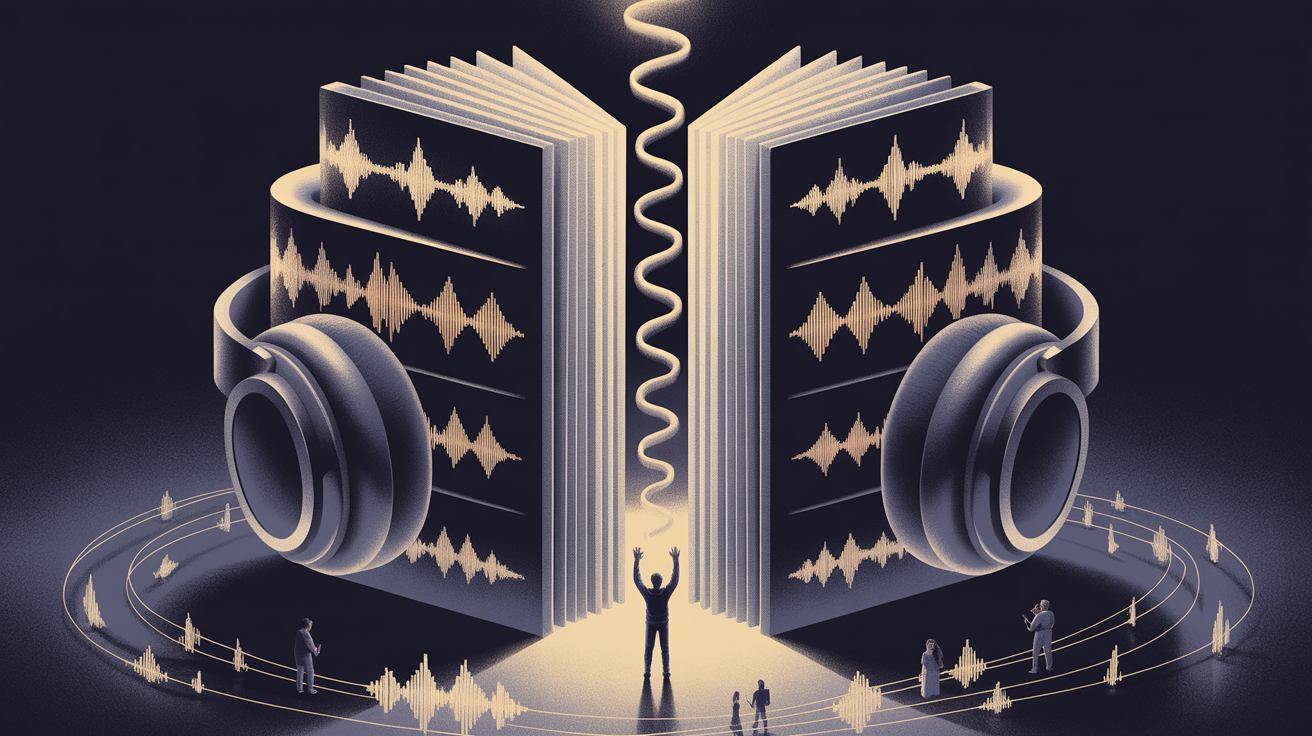
A great audiobook is built from three separate craft layers: single-voice performance, multi-voice casting, and sound design. Each layer adds something
Reading
Yes - you can read the book after watching the adaptation. Knowing the ending isn't a spoiler; it's a shortcut. It drops you into the book already caring
Reading
One test settles the abridged vs summary difference: whose words are on the page? If every word is the original author's, you're reading an abridgment or