Short Classic Novels to Read in a Weekend
Most "short classic" lists never show the math. At a steady one-page-a-minute pace, a 180-page novel is three hours of reading. That's one long afternoon,
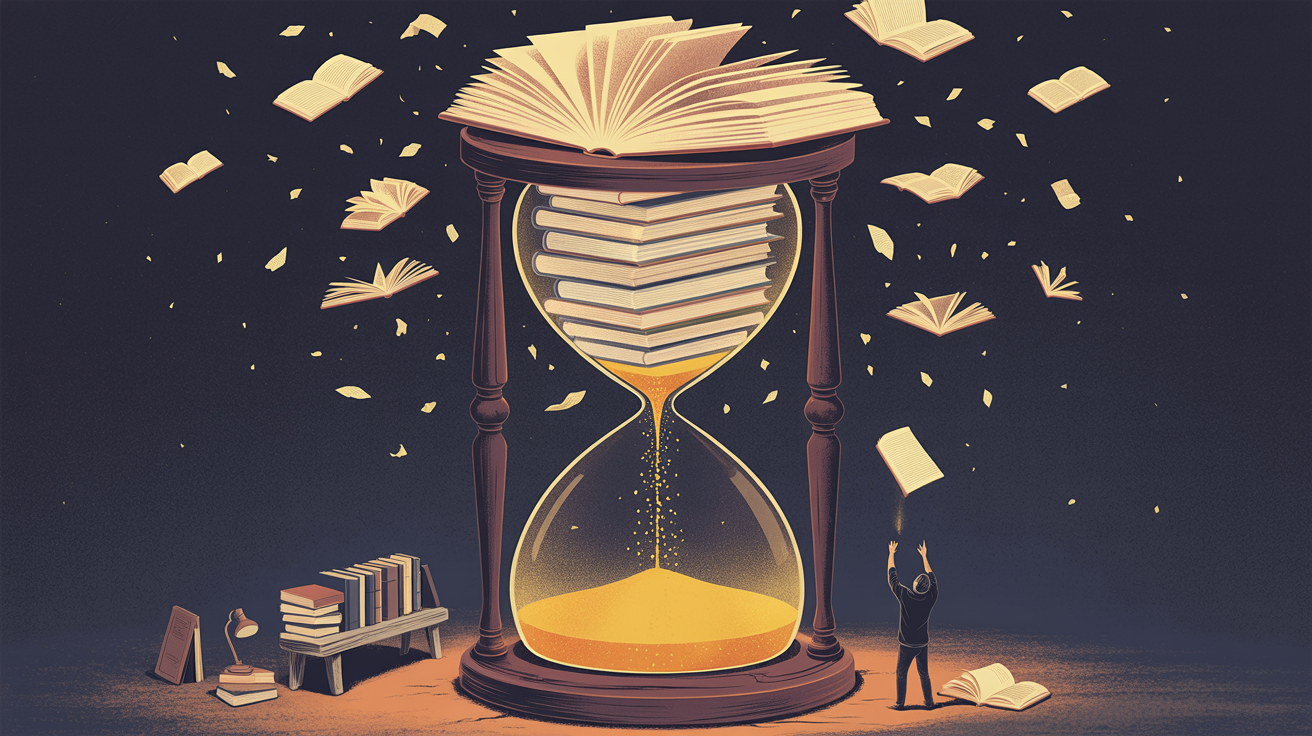
Most "short classic" lists never show the math. At a steady one-page-a-minute pace, a 180-page novel is three hours of reading. That's one long afternoon, not a whole weekend. Here's a page count and the estimate for each - all editorial estimates, not promises.
What counts as a "short" classic - and what "weekend" actually means
A short classic has no official page limit. But under 200 pages is the line most editors quietly use, and even that shifts by edition. Literary Hub, building its list of fifty great classics, set the rule bluntly: no book made the cut unless it had "been published at least once in fewer than 200 pages" (Literary Hub's 50 classics under 200 pages). Penguin frames the same threshold as a doorway. In its own marketing framing, it calls a sub-200-page novel "an easy entryway to reading the classics" that hands you "the satisfaction of reading a classic over a single weekend" (Penguin's must-read classics).
Take both as opinion, not law. Editors draw the line where it's convenient.
"Classic" is looser still. I use it to mean a book that has endured, gets argued about, and usually predates the last decade or two. It's not a fixed cutoff, not a canon handed down from on high. And the page count itself moves. Literary Hub says it plainly: "Your personal edition might not exactly match the number I have listed here." A mass-market paperback and a large-print reissue of the same novel can differ by fifty pages.
So here's the plain number no ranking page commits to. Under 200 pages is short, and under about 150 is genuinely fast. Everything below that is arithmetic - approximate arithmetic, as the next section shows.
The weekend math: how we measured this
Every book here comes with a page count and an estimated reading time. That's because "short" is a number, not a vibe. The method is deliberately simple, so you can redo it for your own speed. Commonly cited estimates put average adult prose at 250-300 words per minute, and a typical fiction page holds 250-300 words. Round that off and you get roughly one page per minute.
One honest caveat up front, and it matters: every hour figure below is an editorial estimate, not a promise. From there, estimated reading time in hours equals page count divided by sixty. A weekend read, in my working definition, is anything you can finish in five focused hours or fewer, split across two days.
At a steady one-page-a-minute pace, a 180-page novel is three hours of reading - one long afternoon, not a whole weekend.
Prose density varies enormously, and so does words-per-page. A compressed modernist novel crawls at a page every two minutes, while a plot-driven adventure flies faster than one a minute. Trim size, font, dialogue, and white space all change how many words a page actually holds - as much as genre or edition does - so the "one page per minute" constant is doubly approximate. The figures below are directional; recalculate the moment you know you read slower or faster than the average. Want the fuller breakdown? We walk through it in the one-sitting classics math.
The page-counted list, grouped by why you'd pick it
A flat scroll of titles helps no one. Pick the group that matches your mood, check the estimate, and go. Each page count below names the specific edition it comes from, so you can reproduce the estimate exactly; grab a different printing and your number will shift.
If you want a beginner-friendly on-ramp
Of Mice and Men by John Steinbeck runs 107 pages in the Penguin Books edition - call it roughly two hours (est.). It's plain, propulsive prose you don't have to decode, and it's a common first-classic recommendation for exactly that reason. Animal Farm by George Orwell runs 112 pages in the Signet Classics edition, roughly two hours (est.). It reads like a fable because it is one. Both are beginner-friendly.
The Little Prince by Antoine de Saint-Exupéry runs 96 pages in the Harcourt/Katherine Woods translation, barely ninety minutes (est.). It works for teens and adults alike - approachable without being thin. If the original prose of an older classic still feels like a wall, that's what our house Modernized Classics - a Dreamsquare product, disclosed as such and not a neutral pick - are built for, available for public-domain classics like these. They update the language without pretending the original was inferior.
If you want dense-but-short and rewarding
The Great Gatsby by F. Scott Fitzgerald is often listed at around 180 pages [VERIFY] in the Scribner edition, so roughly three hours (est.). But Fitzgerald's sentences reward slowing down, so budget more. Frankenstein by Mary Shelley is cited by Penguin Random House at approximately 192 pages in the edition it lists as a weekend-length classic, which pencils out to roughly 3 hours (est.). Its frame-narrative structure makes it dense-but-short. Worth the friction.
If you want a fast plot
Fahrenheit 451 by Ray Bradbury is commonly listed at around 158 pages [VERIFY] in the Simon & Schuster paperback (page counts vary widely by printing), reading in roughly two and a half to three hours (est.) - one of the community favorites on the community-voted Goodreads Short Classics list. For a quick, purpose-built read, our Micro Editions are another Dreamsquare house product, disclosed as such - made for finishing in a weekend, and no more disinterested than any other publisher's marketing.
Short ≠ easy, and classic ≠ boring
A short novel isn't a shortcut through the material. Sometimes it's the same weight poured into a smaller cup. This is the fear the search results only imply and never name: that a slim book is a shallow one, or that "classic" is code for a slog.
Both assumptions break on contact with the books. Jean Toomer's Cane is a slim volume, but it's told in vignettes, poems, and dialogue. It reads slower per page than a longer adventure, because compression is not simplicity. Brevity means an author cut everything inessential, which makes each remaining page hit harder. Espresso versus drip: the smaller cup is stronger, not weaker.
And "boring" is usually a mismatch, not a verdict on the book. What happens is that a specific book meets a specific reader at the wrong moment, and neither is at fault. If you abandoned Moby-Dick on page 60, that says something about that pairing, not about you or about classics. We wrote a whole diagnostic on why you quit reading classics for exactly this reason. Shorter doesn't mean dumbed down, either. The difference between a trimmed edition and a genuinely modernized one is worth understanding, which is what the abridged-versus-original explainer sorts out.
The close calls and the honest edge cases
A curated list is honest about its edges. Mrs. Dalloway barely misses the cut, and pretending otherwise would just pad the page. Virginia Woolf's Mrs. Dalloway and Kurt Vonnegut's Slaughterhouse-Five both tend to land just over 200 pages, which is why strict "under 200" lists quietly drop them (Literary Hub flags the same problem). If you read fast, both are still a weekend. I'd just rather tell you they sit on the line.
Scope matters too. This list sticks to novels and novellas, not plays or short-story collections. Here's why: "finish it in a weekend" behaves differently when you can put a book of stories down after any one of them. Reddit's crowd threads blur that line constantly, mixing The Legend of Sleepy Hollow and The Dead in with novels. Useful, but confusing about what you're committing to.
Two borderline cases earn a flag. Horace Walpole's The Castle of Otranto, widely regarded as the first Gothic novel, sits over the 200-page line in the editions I've seen listed, though exact page counts vary. Over the line, but historically hard to skip if the genre is your thing. And Pan Macmillan reports that The Daughter of Time by Josephine Tey was voted the greatest crime novel of all time by the UK Crime Writers' Association, per Pan Macmillan. That's their attribution and the association's honor, not my personal ranking.
Your practical next move
Pick one book from the group that matched your mood a minute ago. Check its estimated hours, and block that time on your calendar this weekend.
Don't wait to "become a reader" first. That identity arrives after the finishing, never before it.
About the well-read anxiety - the worry that short books are cheating your way to sounding literate. Think of it like sneaking into a repertory cinema through the fire exit: the film still lands whether you paid full price or not. Finish enough short classics and you build a habit and a backlog of finished books. That's the honest payoff. If the habit takes, our system for reading 50 classics in a year is the natural next gear.
You don't become a reader by planning to read. You become one by finishing something short this weekend.
FAQ
Which short classics can I genuinely finish in one weekend?
A weekend read is roughly five focused hours or fewer across two days, which at about one page a minute means anything commonly listed under about 200 pages. The safest bets are Of Mice and Men (107 pages, Penguin, ~2 hours est.), The Little Prince (96 pages, Harcourt, ~1.5 hours est.), and Animal Farm (112 pages, Signet, ~2 hours est.). All three are editorial estimates from a single named edition, so recalculate for your own reading speed and printing.
Are short classics actually easier, or are they just as dense as long ones?
It depends entirely on the prose. A slim adventure reads fast. But a compressed modernist book like Toomer's Cane moves slower per page than a novel twice its length. Short means fewer pages, not automatically easier - brevity is often compression, not simplicity.
Do plays and short story collections count as short classic novels?
Not on this list. We stick to novels and novellas because "finish it in a weekend" means one continuous story, and a collection you can put down after any single piece behaves differently. Plays and story collections are worth reading. They're just a different commitment than the one this guide measures.